Beneath the Surface: How Strategic Soil Management Drives Sustainable Development Nov 07, 2026
To begin with, understanding the importance of soil health is foundational to any excavation project. Healthy soil is teeming with microorganisms that contribute to nutrient cycling, water retention, and plant growth, all of which are essential for sustainable development. Through their expert soil management techniques, Green Land Management ensures that soil integrity is maintained throughout the excavation process. They employ methods such as soil testing and amendments to enhance soil quality, which in turn supports biodiversity and reduces the need for chemical inputs.
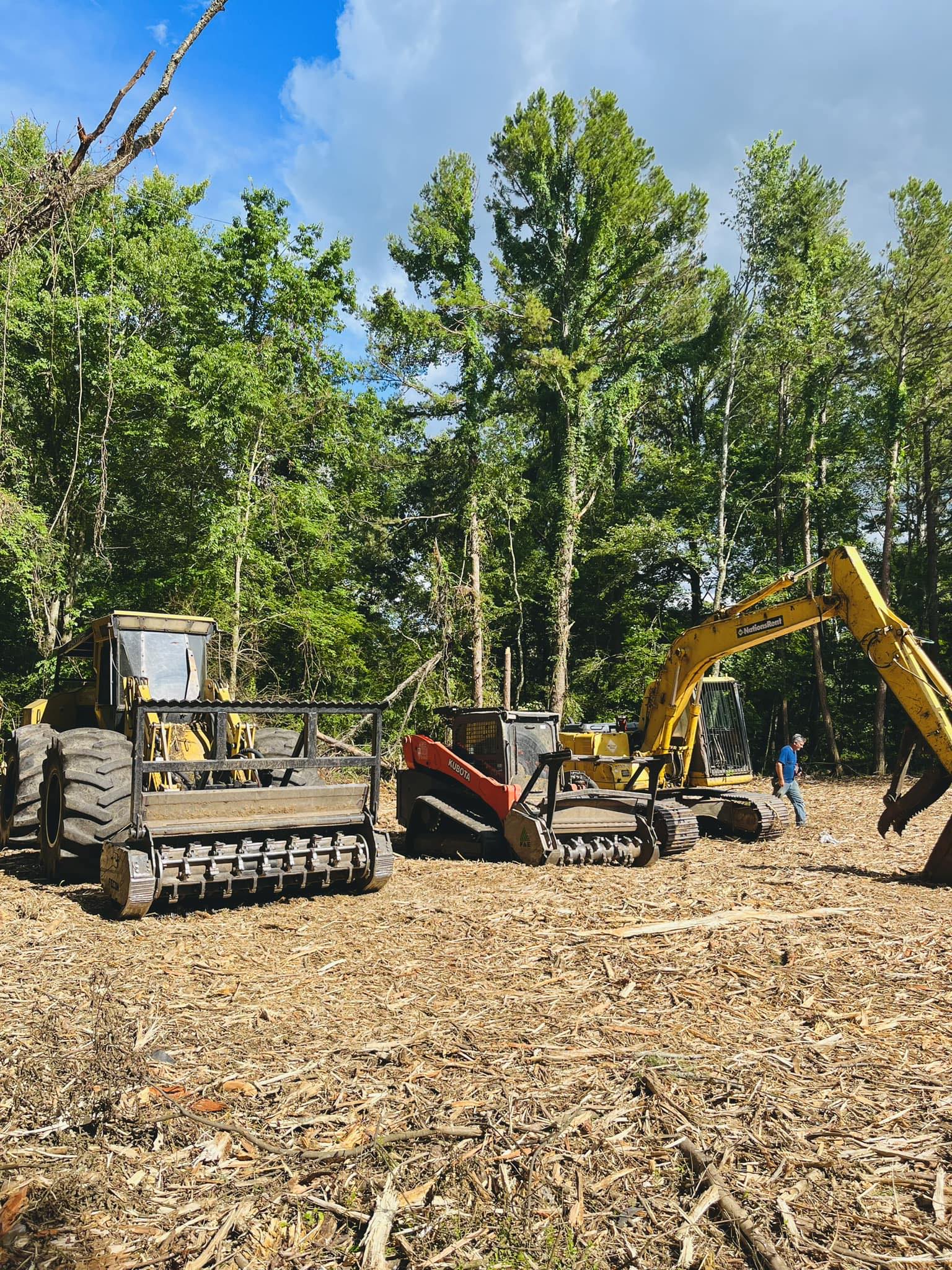
Another critical aspect of strategic soil management is erosion control. Uncontrolled soil erosion can lead to sedimentation in waterways, loss of fertile topsoil, and degradation of the surrounding environment. Green Land Management employs state-of-the-art erosion control strategies, such as silt fences, vegetation covers, and contour trenching, to minimize the impact of their excavation activities. By doing so, they not only protect the immediate environment but also promote the long-term stability of the development projects they undertake.
Efficient resource utilization is also a cornerstone of sustainable development. Green Land Management incorporates innovative techniques and equipment that optimize the use of natural resources, such as water and fuel, during excavation. Their commitment to minimizing waste and maximizing efficiency reduces the environmental footprint of their projects and aligns with global efforts to combat climate change. Additionally, their use of renewable energy sources and low-emission machinery further underscores their dedication to sustainability.
Community engagement and education are equally important in driving sustainable development. By working closely with stakeholders, Green Land Management fosters a culture of environmental stewardship and awareness. This collaborative approach not only enhances project outcomes but also builds trust and ensures that the needs and concerns of local communities are addressed.
Moreover, sustainable development is not just about managing soil and resources efficiently; it's also about planning for the future. Green Land Management takes a long-term perspective by considering how their current practices will impact future generations. They integrate forward-thinking strategies into their operations, which include reforestation projects, habitat restoration, and green space creation, ensuring that the land remains viable and productive for years to come.
In conclusion, strategic soil management is a pivotal component of sustainable development, and Green Land Management exemplifies how excavation services can be aligned with environmental responsibility. By prioritizing soil health, incorporating advanced erosion control techniques, utilizing resources efficiently, and engaging with communities, they set a benchmark for innovative and sustainable practices in the industry. As we look beneath the surface, it becomes clear that the groundwork laid by companies like Green Land Management will drive the shift towards a more sustainable and resilient future.
