Building a Greener Tomorrow: Integrating Renewable Practices in Excavation Projects Feb 07, 2026
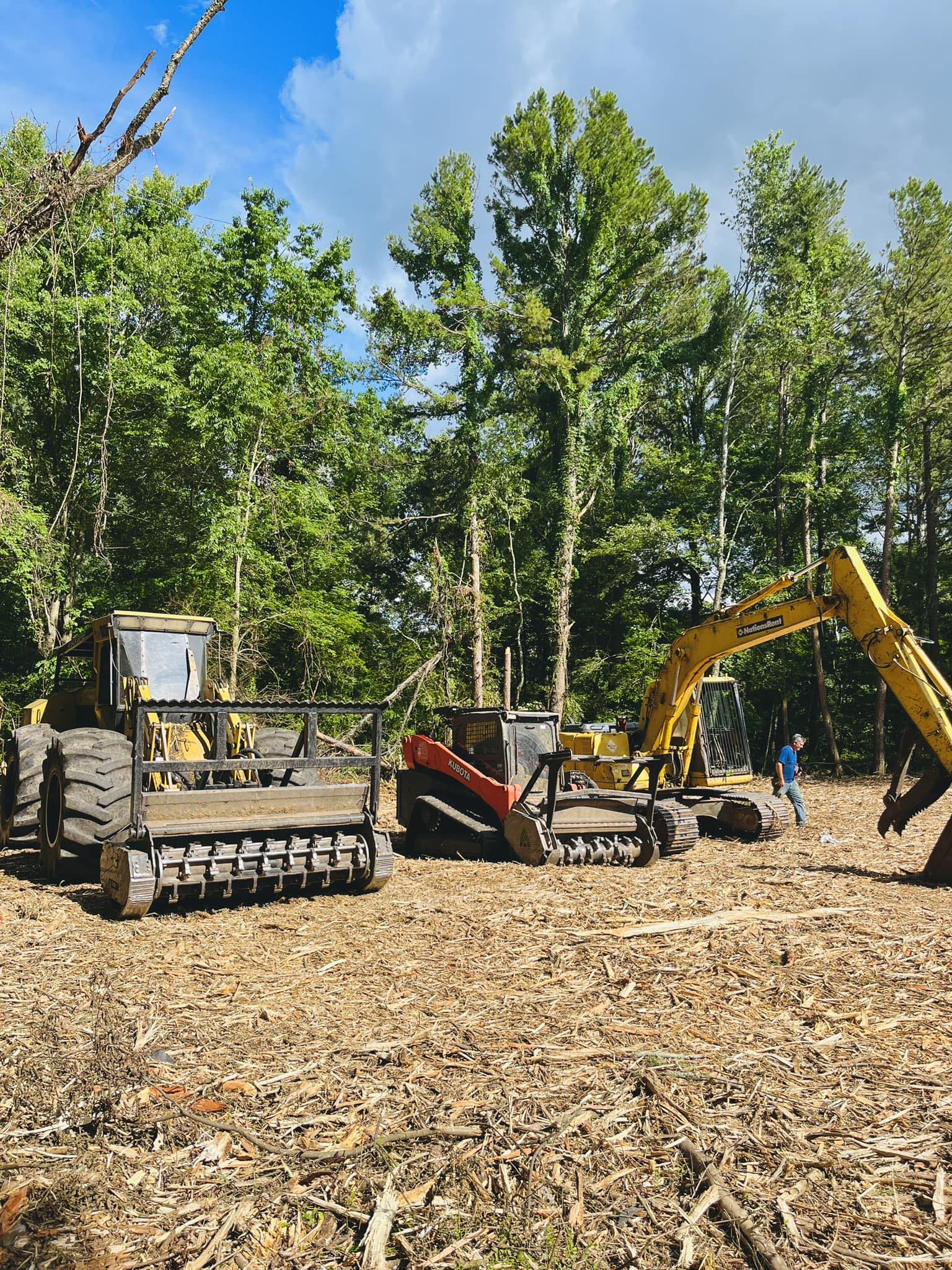
The traditional excavation process can have a significant environmental impact, from soil erosion to greenhouse gas emissions. At Green Land Management, the commitment to environmental stewardship begins with understanding these impacts and developing strategies to minimize them. One of the ways this is achieved is by opting for renewable energy sources to power machinery and equipment. Switching from diesel to electric or solar-powered excavators, for instance, reduces the carbon footprint and exemplifies a shift towards cleaner energy utilization.
Water conservation is another critical aspect of sustainable excavation. Projects often require massive water consumption for dust suppression and compaction. Implementing water recycling systems or using biodegradable alternatives for dust control are practical steps that conserve this precious resource. Such measures not only help in environmental preservation but also lead to cost savings, making the projects more economically viable.
Moreover, managing and recycling waste materials is crucial in creating a greener excavation landscape. Green Land Management emphasizes the importance of sorting and reusing materials like concrete, metal, and wood, reducing landfill dumping significantly. This practice not only minimizes waste but also lowers project expenses by utilizing existing resources efficiently.
Preserving biodiversity is another pillar of sustainable excavation. Before breaking ground, conducting detailed environmental assessments can identify sensitive ecosystems and guide the project’s planning phase to avoid or minimize land degradation. Implementing buffer zones and erosion control measures helps protect the local flora and fauna, ensuring that excavation projects harmoniously coexist with the surrounding natural environment.
Training and awareness are paramount in fostering a culture of sustainability within excavation teams. Green Land Management invests in regular staff training to ensure that all team members are knowledgeable about eco-friendly methods and technologies. Educating workers about the benefits of sustainable practices inspires them to adopt such measures and think innovatively about improving project processes.
The integration of digital technology in excavation projects can greatly enhance sustainability. Utilizing advanced software for project planning and execution optimizes resource allocation and reduces unnecessary energy expenditure. Moreover, employing drones and GPS technology aids in precision and minimizes the area disturbed, which is particularly beneficial in environmentally sensitive zones.
The journey toward a sustainable future in excavation is ongoing, with new technologies and practices continually emerging. Green Land Management is dedicated to exploring these innovations and incorporating them into their projects whenever feasible. This proactive approach not only positions the company as a leader in sustainable excavation but also sets an industry standard for environmental responsibility.
As we look to build a greener tomorrow, it is essential for those in the excavation industry to adopt practices that support ecological balance. By prioritizing sustainability, Green Land Management is not only fulfilling its ethical duty but also catering to clients who value environmental integrity. This commitment lays the groundwork for an industry that is both prosperous and harmonious with nature, ensuring a brighter future for generations to come.
/filters:no_upscale()/filters:format(webp)/media/791aed4a-0c85-4a53-a6ca-a7ea1692e53f.jpeg)