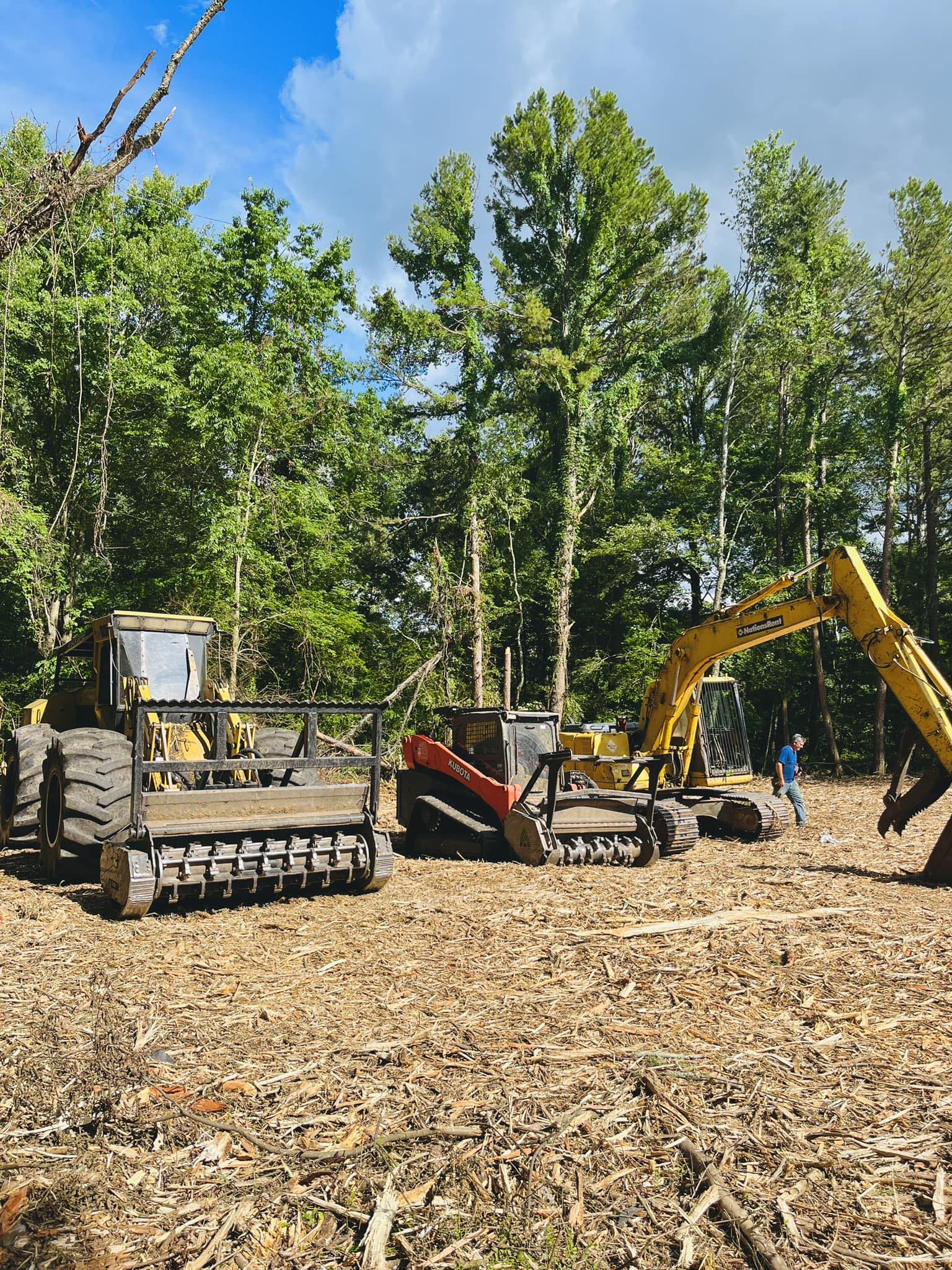
Building for Balance: Strategies for Harmonizing Excavation Practices with Nature Oct 12, 2026
Excavation plays a critical role in infrastructure development, from constructing buildings to laying pipelines. However, as these processes can significantly impact the environment, it is important to adopt practices that mitigate harm. The balance between infrastructure needs and ecological preservation starts with comprehensive planning. Strategic site analysis allows companies like Green Land Management to identify and preserve crucial natural elements. This might involve creating buffer zones around water bodies, retaining existing vegetation, or designing drainage systems that prevent soil erosion.
One effective strategy is the use of precision excavation technology. Advanced machinery and equipment offer higher levels of control, reducing unnecessary disturbance to the surrounding environment. Precision technology means excavating only what is necessary, conserving soil integrity and reducing waste. Additionally, onsite recycling of materials such as rock and concrete not only limits waste but decreases the environmental footprint of transportation.
Another key aspect is incorporating sustainable materials during the excavation process. Utilizing eco-friendly alternatives such as recycled aggregates and sustainable geotextiles can significantly decrease the project's impact on the environment. Furthermore, Green Land Management adopts practices like reforestation and land restoration to restore habitats once the construction phase is complete. These practices ensure that the land continues to thrive, promoting biodiversity and contributing to ecological stability.
Community collaboration is also vital in harmonizing excavation with nature. By engaging with local stakeholders and environmental experts, companies can gain valuable insights into community needs and ecological concerns. This collaboration leads to more informed decisions that benefit both the project and the community, fostering a sustainable relationship with nature.
Moreover, adhering to local and national regulations regarding environmental conservation not only ensures compliance but pushes the envelope in terms of sustainable practice. This includes following guidelines on protecting endangered species, maintaining clean water, and ensuring air quality. By aligning with these norms, companies not only avoid legal repercussions but also contribute to global environmental efforts.
Education and training within Green Land Management's teams enhance this balance, equipping workers with the knowledge needed to execute environmentally conscious decisions. Regular workshops and training sessions focus on sustainable excavation methods, helping the crew stay updated with the latest eco-friendly practices.
In conclusion, balancing excavation practices with nature is an evolving priority for Green Land Management. With strategic planning, precision technology, the use of sustainable materials, community engagement, regulatory compliance, and ongoing education, companies can create infrastructure that meets human needs without sacrificing environmental health. As we pave the way for future developments, it is imperative to maintain this balance, ensuring that construction and conservation go hand in hand. By embracing these strategies, Green Land Management continues to lead the way in sustainable excavation, setting a benchmark for the industry while safeguarding our planet's ecological treasures.
/filters:no_upscale()/filters:format(webp)/media/791aed4a-0c85-4a53-a6ca-a7ea1692e53f.jpeg)