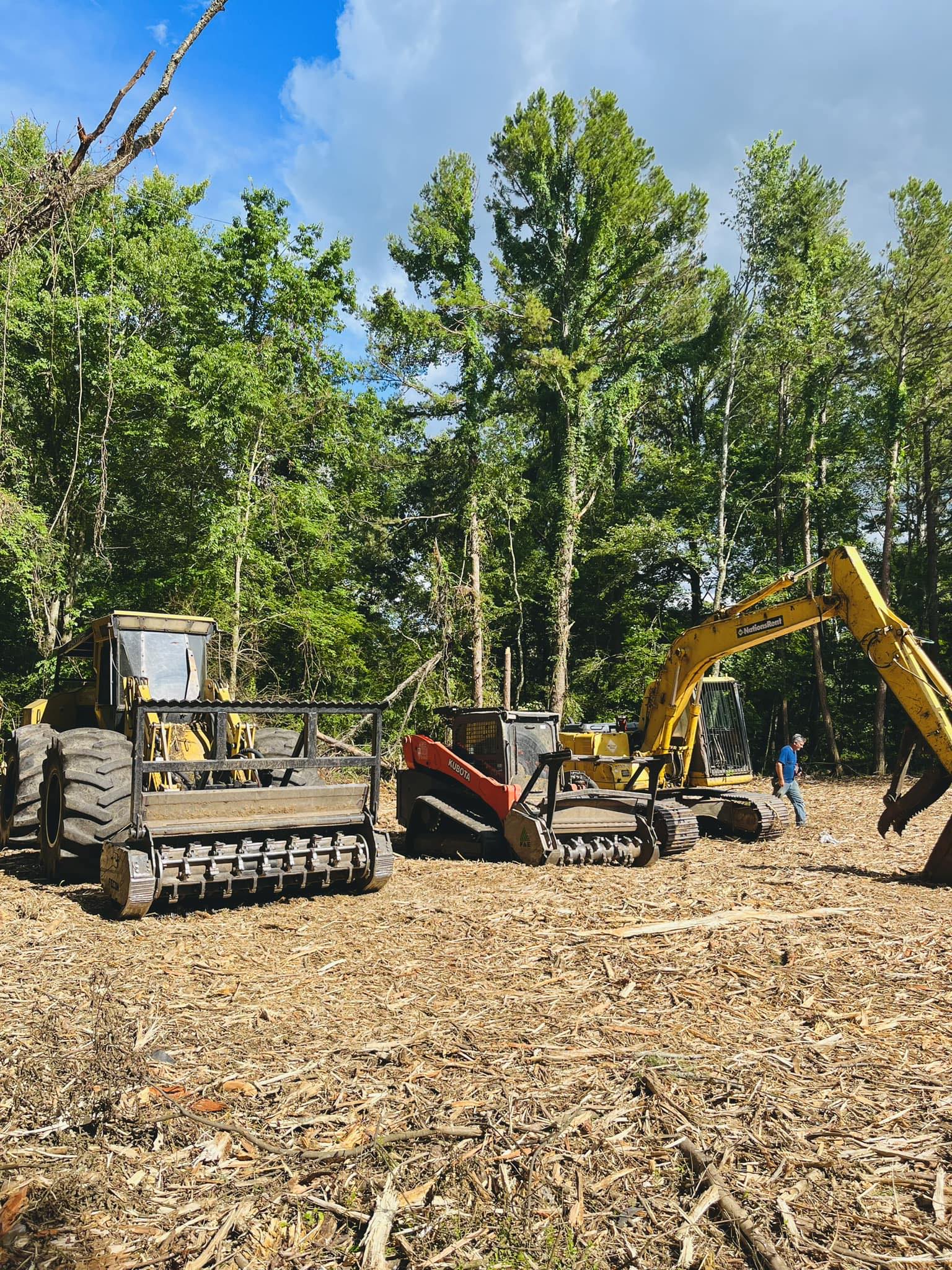
Cutting Edge Excavation: Leveraging Technology for a More Sustainable Land Management Oct 24, 2026
To start, let’s examine why technology in excavation should matter to you. The traditional approach relied heavily on manual labor and heavy machinery with high emissions. However, the integration of new technologies not only enhances precision but also reduces the overall time and cost of projects. These advancements are particularly significant for companies that prioritize sustainable land management. Consumers now demand more environmentally friendly practices and Green Land Management is committed to delivering high-quality service while nurturing our planet.
One of the standout technologies revolutionizing the industry is Geographic Information Systems (GIS). GIS allows for detailed planning and mapping of land features, ensuring projects are precisely executed to avoid unnecessary landscape destruction. With GIS, excavation teams can create data-driven plans that reduce waste and lower the ecological impact. Additionally, an efficient plan minimizes resource consumption, a key aspect of sustainability initiatives.
Drone technology is another groundbreaking tool in modern excavation services. Drones provide aerial insights that were once impossible or cost-prohibitive. With high-definition imaging and surveying capabilities, drones offer unmatched accuracy in site assessments and monitoring. This technology not only improves safety by offering an overview of hazardous areas before physical entry but also enhances precision, reducing costly errors and project delays.
Moreover, Green Land Management is harnessing machine learning and artificial intelligence to optimize their operations. These technologies enable predictive modeling for equipment maintenance, effectively extending the lifespan of machinery and decreasing downtime. AI also facilitates better decision-making by analyzing vast amounts of data quickly and accurately. This leads to more informed strategies for resource allocation, ensuring that projects stay on track and within budget.
Aside from technology, the adoption of sustainable practices such as reusing excavated materials and employing non-toxic stabilizers highlights Green Land Management’s commitment to the environment. By recycling materials on-site, the company not only cuts down on waste but also reduces the need for new materials, ultimately conserving energy and natural resources.
Another advancement in sustainable excavation is the shift towards electric and hybrid machinery. These machines produce significantly lower emissions compared to traditional diesel-powered equipment, contributing to a cleaner construction environment. For Green Land Management, this aligns with a larger objective of decreasing carbon footprints, which is vital in the effort to combat climate change.
In conclusion, technology plays a pivotal role in shaping the future of excavation services. With innovative solutions like GIS, drones, AI, and a commitment to environmental stewardship, firms like Green Land Management are setting new standards for sustainable land management. For customers, this means that projects can be completed faster, cheaper, and more responsibly than ever before. By choosing a company that leverages these state-of-the-art technologies, clients not only benefit from cutting-edge service but also contribute to creating a sustainable future for our planet. As awareness and demand for eco-friendly practices grow, the excavation industry’s role in land management is only set to expand.
