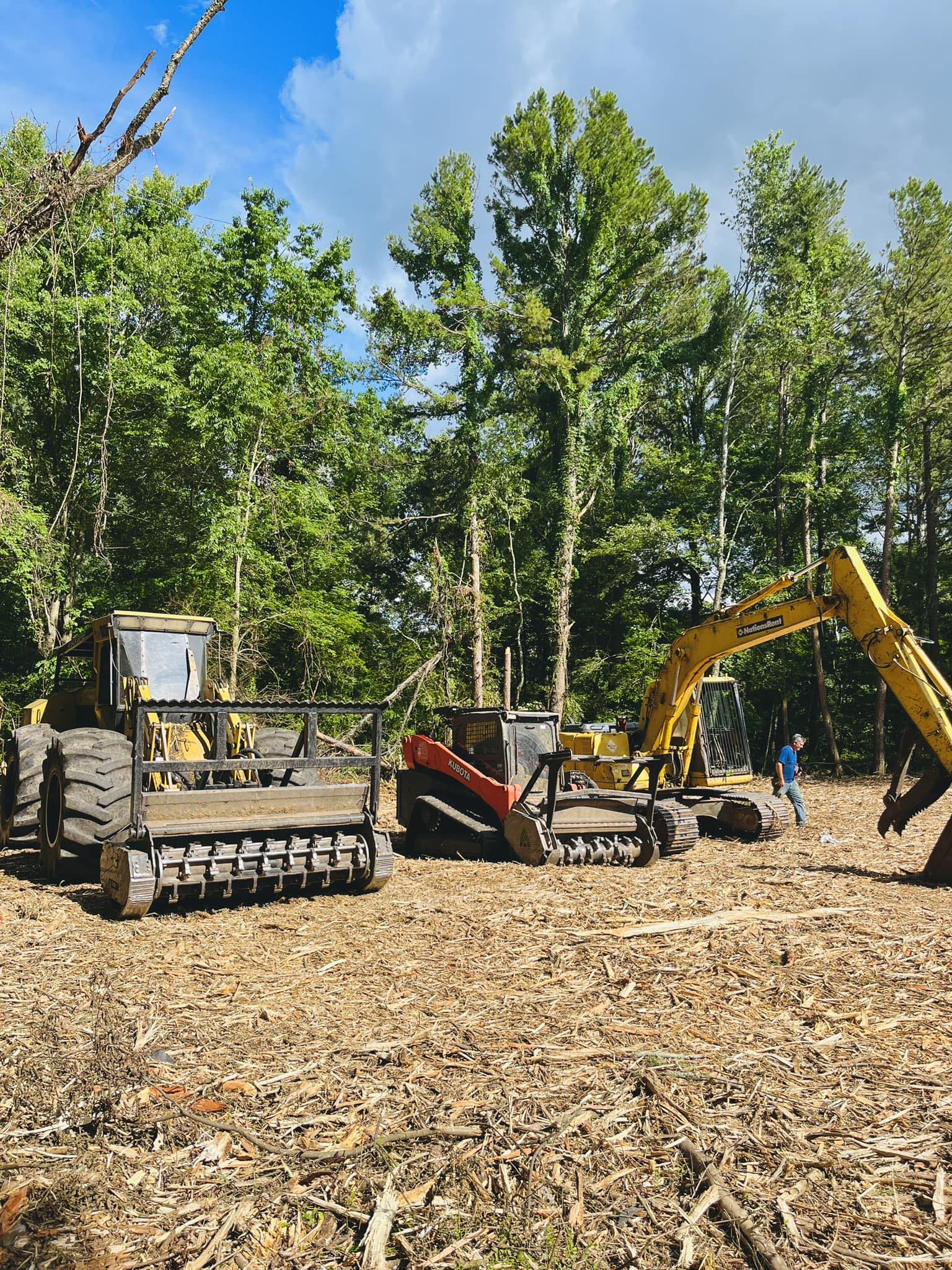
Digging Deep for a Better Planet: The Role of Sustainable Excavation in Environmental Preservation Aug 25, 2026
Excavation is a fundamental step in construction projects, whether it's creating a solid foundation for buildings or preparing sites for infrastructure development. However, traditional excavation methods can harm the environment by disturbing natural habitats, increasing soil erosion, and contributing to pollution through excessive fuel use. This is where sustainable excavation practices become vital, helping mitigate negative effects while still achieving construction goals efficiently.
A key component of sustainable excavation is the careful planning and management of resources. Green Land Management emphasizes minimizing land disturbance and responsibly managing materials. By conducting thorough site assessments before any project begins, the company ensures that they understand the unique ecological and geological characteristics of the area. This knowledge allows for precise excavation, preserving as much of the natural landscape as possible.
In sustainable practices, energy efficiency is paramount. Green Land Management employs energy-saving technologies and machinery that reduce fuel consumption and emissions. By using equipment with advanced GPS and sensor technology, operators can achieve more accurate excavation, which helps prevent over-excavation or unnecessary movement of soil. This not only preserves the site's natural composition but also cuts down on operating costs, a win-win for both the company and the environment.
Soil conservation is another critical aspect of sustainable excavation. Conventional methods can lead to considerable soil erosion, which not only degrades the land but also affects local waterways and ecosystems. Innovative techniques, such as using erosion control blankets and sustainable revegetation practices, are implemented by Green Land Management to maintain soil integrity. These practices promote rapid regrowth of native plants, crucial for stabilizing the soil and maintaining biodiversity.
Waste management is also essential in sustainable excavation. By recycling materials like concrete and asphalt, and responsibly disposing of non-reusable waste, Green Land Management reduces the environmental impact of their projects. Utilizing eco-friendly disposal methods ensures that harmful substances do not leach into the surrounding land or water bodies, protecting local wildlife and communities.
Community engagement and education are integral to Green Land Management's approach to sustainable excavation. By working closely with local authorities and residents, they ensure that all stakeholders are informed about the environmental strategies in place. This transparency not only fosters trust but also encourages community participation in conservation efforts.
As we continue to dig deep into our planet to accommodate progress, prioritizing sustainability in excavation is not just an obligation but a responsibility. Companies like Green Land Management pave the way for environmentally conscious development, proving that it's possible to balance economic growth with environmental preservation. By adopting these sustainable practices, we protect our natural resources and lay the groundwork for future innovations that will continue to drive a greener planet.
In conclusion, the role of sustainable excavation goes far beyond simple earth-moving activities. It is an integral part of a larger movement towards environmental stewardship, ensuring that our pursuit of progress does not come at the cost of our planet's health. Through mindful practices, innovative technologies, and community collaboration, Green Land Management exemplifies how excavation services can play a pivotal role in the global effort to preserve our environment.
/filters:no_upscale()/filters:format(webp)/media/791aed4a-0c85-4a53-a6ca-a7ea1692e53f.jpeg)