Digging Deeper: The Intersection of Sustainability and Innovation in Modern Excavation Oct 27, 2026
Sustainability in excavation starts with understanding the environmental impact of traditional methods. Conventional excavation often involves processes that can lead to soil degradation, habitat destruction, and excessive energy consumption. However, by integrating sustainable practices and new technologies, excavation companies are making significant strides in minimizing these negative effects.
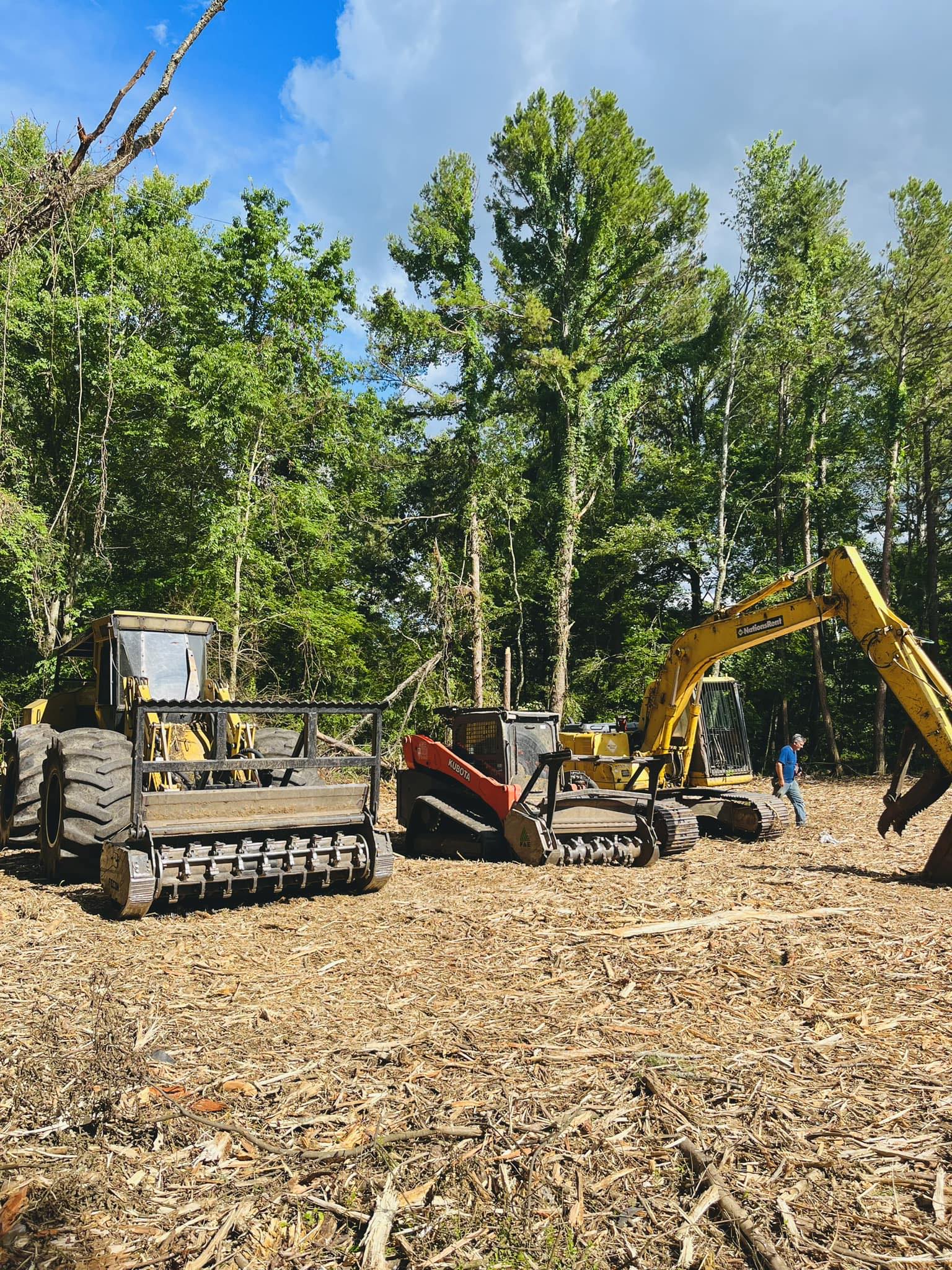
The use of innovative machinery is one such approach, allowing companies to reduce their carbon footprint. Electric and hybrid excavation equipment, for instance, is gaining popularity as it significantly lowers greenhouse gas emissions compared to traditional diesel-powered machines. These advanced machines not only improve operational efficiency but also demonstrate a commitment to reducing environmental harm.
Another sustainable practice involves the careful management of excavated materials. Instead of discarding debris and soil, forward-thinking companies aim to recycle and repurpose these materials. By partnering with recycling facilities, companies like Green Land Management ensure that rocks, aggregate, and soil can be reused on-site or transformed into valuable products, thereby reducing waste and conserving natural resources.
In addition to equipment and waste management, adopting an eco-friendly approach also encompasses planning and design. By employing Geographic Information Systems (GIS) and Building Information Modeling (BIM), excavation services can optimize project planning to minimize land disturbance. These technologies enable precise mapping and analysis, helping in reducing unnecessary digging and preserving natural habitats.
Water management is another crucial component. Traditional excavation methods can disrupt natural water flows, leading to soil erosion and pollution. However, modern techniques such as the construction of silt fences and sediment basins, along with using permeable materials, help control water runoff and prevent contamination. By implementing such strategies, companies contribute to the protection of aquatic ecosystems and local water quality.
Innovation in excavation also means boosting community engagement and accountability. By adopting transparent practices and working closely with local communities, companies can ensure that excavation activities align with the long-term goals of sustainable development. This includes continuous assessment and monitoring to measure environmental impact.
While these sustainable practices benefit the environment, they also offer financial advantages. Energy-efficient machinery and waste reduction strategies often result in lower operational costs. Furthermore, sustainable certification can enhance a company’s reputation, attracting more clients who are keen to support eco-friendly practices.
In conclusion, the intersection of sustainability and innovation in modern excavation is a promising frontier. As companies continue to embrace technological advancements and sustainable methodologies, they not only safeguard the planet but also reinforce their position as leaders in responsible construction. Green Land Management exemplifies how excavating deeper into such practices can create a positive impact, ensuring the construction industry contributes to a healthier and more sustainable future for all.
This evolution demonstrates that with thoughtful planning and a commitment to innovation, the challenges of excavation can be met with solutions that benefit both the environment and business. As we look to the future, it's clear that sustainable excavation is more than just a trend; it is a necessary movement towards a more resilient and eco-conscious construction industry.
