Digging with Purpose: Aligning Excavation Practices with Environmental Goals Jul 09, 2026
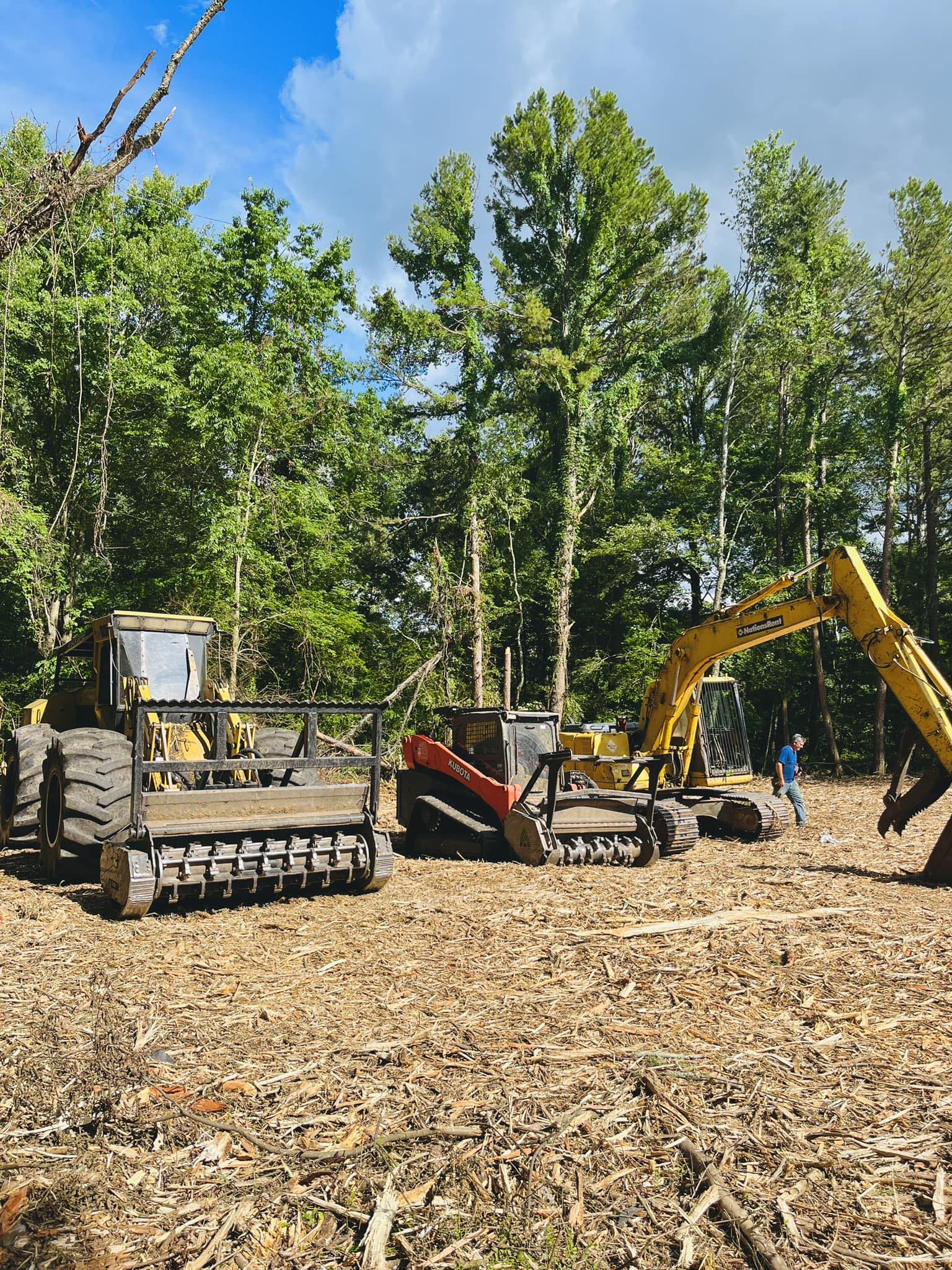
Excavation services play a crucial role in construction, infrastructure development, and even landscaping. However, traditional excavation methods have raised concerns regarding soil erosion, habitat destruction, and pollution. Recognizing the impact of these challenges, Green Land Management has pioneered a movement towards more sustainable and responsible excavation methods.
An essential step in sustainable excavation practices is careful site planning. Before the first shovel hits the ground, comprehensive assessments should be carried out. This includes understanding the local ecosystem, soil composition, and water flow patterns. By doing so, excavation can be planned in a way that minimizes impact on the surroundings. Green Land Management emphasizes this in its operations, ensuring that projects begin with a focus on environmental conservation.
Moreover, using advanced technology not only enhances efficiency but also reduces the ecological footprint of excavation projects. GPS and drone technology can help accurately map the terrain, allowing for precision digging that avoids unnecessary disturbances. Such tools can predict potential environmental impacts and adapt plans accordingly, a practice that Green Land Management has integrated into their services to ensure that each excavation job is in harmony with the land’s natural state.
Another significant component of environmentally-aligned excavation is waste management. Excavation often involves the displacement of large volumes of soil and rocks. By recycling materials and reusing excavated soil on-site, the need for new resources is reduced. This concept of a circular economy—where waste is minimized, and resources are reused—is central to sustainable practices at Green Land Management.
Furthermore, mindful of preserving biodiversity, companies must strive to protect local flora and fauna. During excavation, Green Land Management implements strategies to safeguard habitats. Temporary barriers and buffers can be set up around sensitive areas to protect wildlife. Where possible, scheduling work to avoid disruption during critical times for breeding or nesting can also contribute to environmental goals.
Additionally, minimizing carbon emissions is a vital aim in sustainable excavation. Green Land Management invests in energy-efficient machinery and renewable energy sources to power their equipment. Switching to electric or hybrid machinery significantly cuts down on pollution, making their projects cleaner and greener.
Engaging with stakeholders and educating the community about the benefits of sustainable excavation practices also plays a key role. By fostering a culture of collaboration and transparency, Green Land Management ensures that all parties understand and support the environmental objectives of each project.
In conclusion, aligning excavation practices with environmental goals is not just a trend, but a necessary evolution in the industry. Green Land Management is at the forefront of this paradigm shift, offering solutions that prioritize sustainability while delivering excellent service. By choosing environmentally-conscious options, excavation services can pave the way for a future where development and nature coexist symbiotically. As the demand for greener practices grows, companies that adapt early will not only prosper but will also contribute positively to global environmental efforts.
/filters:no_upscale()/filters:format(webp)/media/791aed4a-0c85-4a53-a6ca-a7ea1692e53f.jpeg)