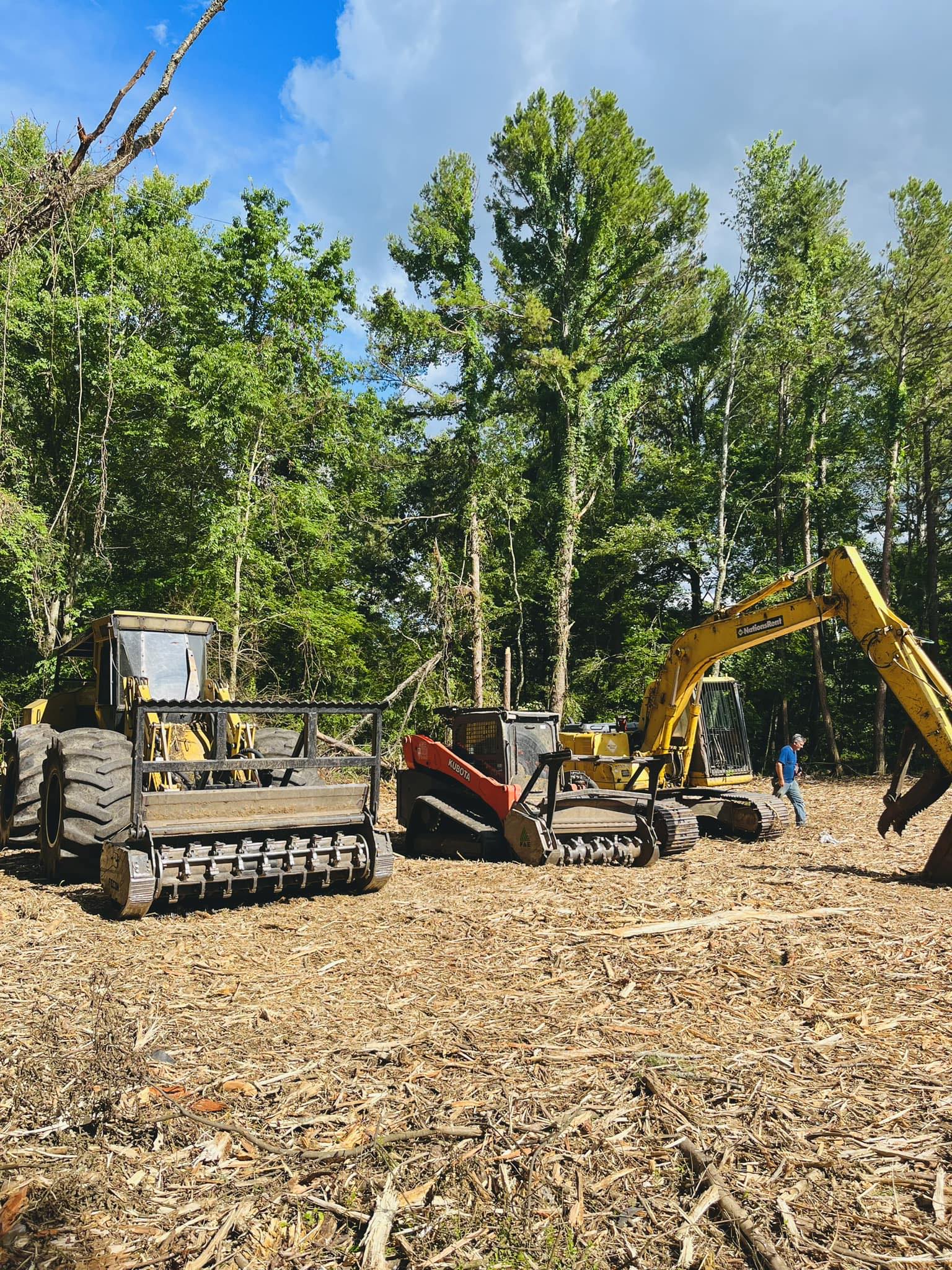
Innovative Soil Strategy: Enhancing Land Management Through Sustainable Excavation Nov 05, 2026
The journey begins with understanding the role of soil in environmental sustainability. Soil is not just an inert substance; it is a living, dynamic ecosystem that supports plant growth, filters water, and regulates climate. Recognizing this, Green Land Management employs cutting-edge techniques to ensure that excavation projects are both efficient and environmentally friendly. By adopting sustainable excavation practices, the company not only achieves its project goals but also contributes to environmental conservation.
One of the primary strategies utilized by Green Land Management is minimizing soil disturbance. Traditional excavation can significantly disrupt the soil structure, leading to erosion and loss of vital nutrients. By using innovative equipment and techniques such as precision grading and controlled topsoil removal, the company reduces the negative impact of their projects. This careful approach ensures that the soil retains its natural fertility and continues to support biodiversity.
Moreover, Green Land Management implements soil testing as a fundamental part of their process. By analyzing soil composition before starting an excavation, they tailor their methods to suit the specific needs of the land. This proactive measure helps in identifying potential challenges and opportunities, allowing for a more streamlined and effective approach to land management. Additionally, soil testing informs decisions about soil restoration and rehabilitation, ensuring that the land remains productive long after the excavation is complete.
Another key aspect of sustainable excavation is recycling and reusing materials. Green Land Management actively promotes soil reuse within its projects. By reapplying excavated soil elsewhere in the project or converting it into beneficial topsoil amendments, the company minimizes waste and reduces the need for new resources. This not only lowers the environmental footprint but also cuts down on costs, providing economic benefits alongside environmental ones.
Effective water management is also central to Green Land Management's innovative soil strategy. Excavation can significantly alter the natural flow of water, potentially leading to issues such as flooding or waterlogging of the land. To combat this, the company utilizes smart water diversion techniques that preserve the natural hydrology of the area. These methods protect both the land and nearby water bodies, maintaining the ecological balance.
The commitment to community involvement further distinguishes Green Land Management. By engaging with local communities and stakeholders, the company ensures that their projects are aligned with the needs and expectations of the people they serve. This collaboration fosters a sense of shared responsibility and helps in building trust and transparency.
In conclusion, Green Land Management’s innovative soil strategy demonstrates a forward-thinking approach to excavation and land management. By prioritizing sustainable practices, the company not only meets its excavation objectives but also contributes to broader environmental goals. Through minimizing soil disturbance, utilizing soil testing, promoting recycling, and ensuring proper water management, Green Land Management sets an exemplary standard for sustainable excavation services. As we look to the future, such strategies will be essential in protecting our natural resources and ensuring the longevity and health of our ecosystems.
