Landscape Transformation: Maximizing Efficiency in Eco-Friendly Excavation Jul 08, 2026
Efficient and environmentally responsible excavation begins long before the first dig with meticulous planning. At Green Land Management, every project starts with a comprehensive site assessment. This essential step helps to identify potential environmental impacts and devise strategies to mitigate them. It also involves mapping out existing utilities and natural features that need to be preserved or avoided. By developing a clear plan of action, unnecessary disturbances are minimized, preserving the natural integrity of the land.
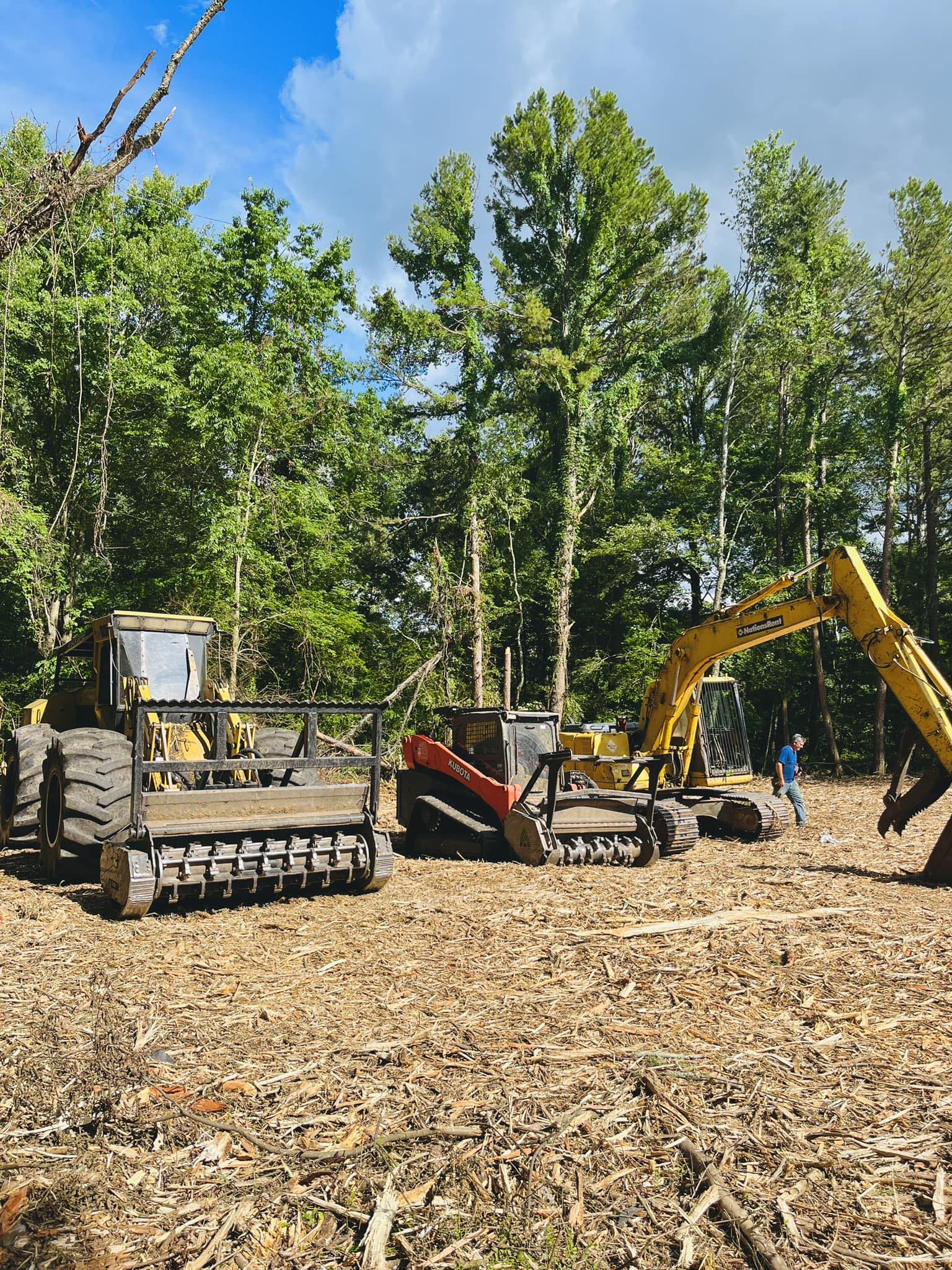
Technology plays a pivotal role in enhancing efficiency while maintaining sustainability. The use of advanced machinery equipped with GPS and laser guidance systems allows for precision digging. This not only minimizes fuel consumption but also reduces the likelihood of disturbing underground ecosystems. Additionally, these technologies ensure that the excavation process is completed in a timely manner, reducing onsite emissions and potential disruption to the surrounding environment.
Another aspect of eco-friendly excavation that Green Land Management champions is the use of biodegradable and non-toxic materials. When implemented, these materials ensure that the landscaping process does not introduce harmful substances into the soil or water systems. For instance, choosing plant-based hydraulic fluids for machinery or environmentally-safe erosion control products significantly lessens environmental impact while ensuring project goals are met.
One of the most exciting developments in sustainable excavation is the recycling of materials. Where traditional excavation methods might see debris as waste, Green Land Management views it as valuable resources. By reusing materials such as concrete, gravel, or even soil, projects not only lower costs but also significantly reduce landfill contributions. This practice aligns with the broader principle of circular economy, which aims to keep resources in use for as long as possible.
The adoption of sustainable excavation practices also encompasses native planting, a hallmark of Green Land Management's efforts. Using local flora for landscape restoration supports biodiversity and requires less maintenance. Indigenous plants are naturally adapted to the local climate, needing less water and reducing the use of fertilizers and pesticides. This approach not only enhances the aesthetic appeal of a landscape but also reinforces ecological resilience.
As Green Land Management continues to innovate, the integration of solar and electric-powered equipment constitutes a promising step forward. These technologies drastically reduce carbon emissions and reliance on fossil fuels, embodying the shift towards greener energy solutions in excavation. They represent the commitment of Green Land Management to not only meet the current environmental standards but also to lead the charge in setting new benchmarks for sustainability in the industry.
In conclusion, landscape transformation through eco-friendly excavation offers substantial benefits. It not only ensures beautiful, functional spaces that respect nature but also represents a responsible step towards sustainable development. By choosing Green Land Management, clients can be assured of expert guidance, cutting-edge technology, and a strong dedication to environmental stewardship. Emphasizing sustainability in excavation not only meets the demands of today but also safeguards resources for future generations, creating landscapes that thrive long after their transformation.
/filters:no_upscale()/filters:format(webp)/media/791aed4a-0c85-4a53-a6ca-a7ea1692e53f.jpeg)