Navigating the Earth: How Sustainable Excavation Practices Transform Urban Development Nov 16, 2026
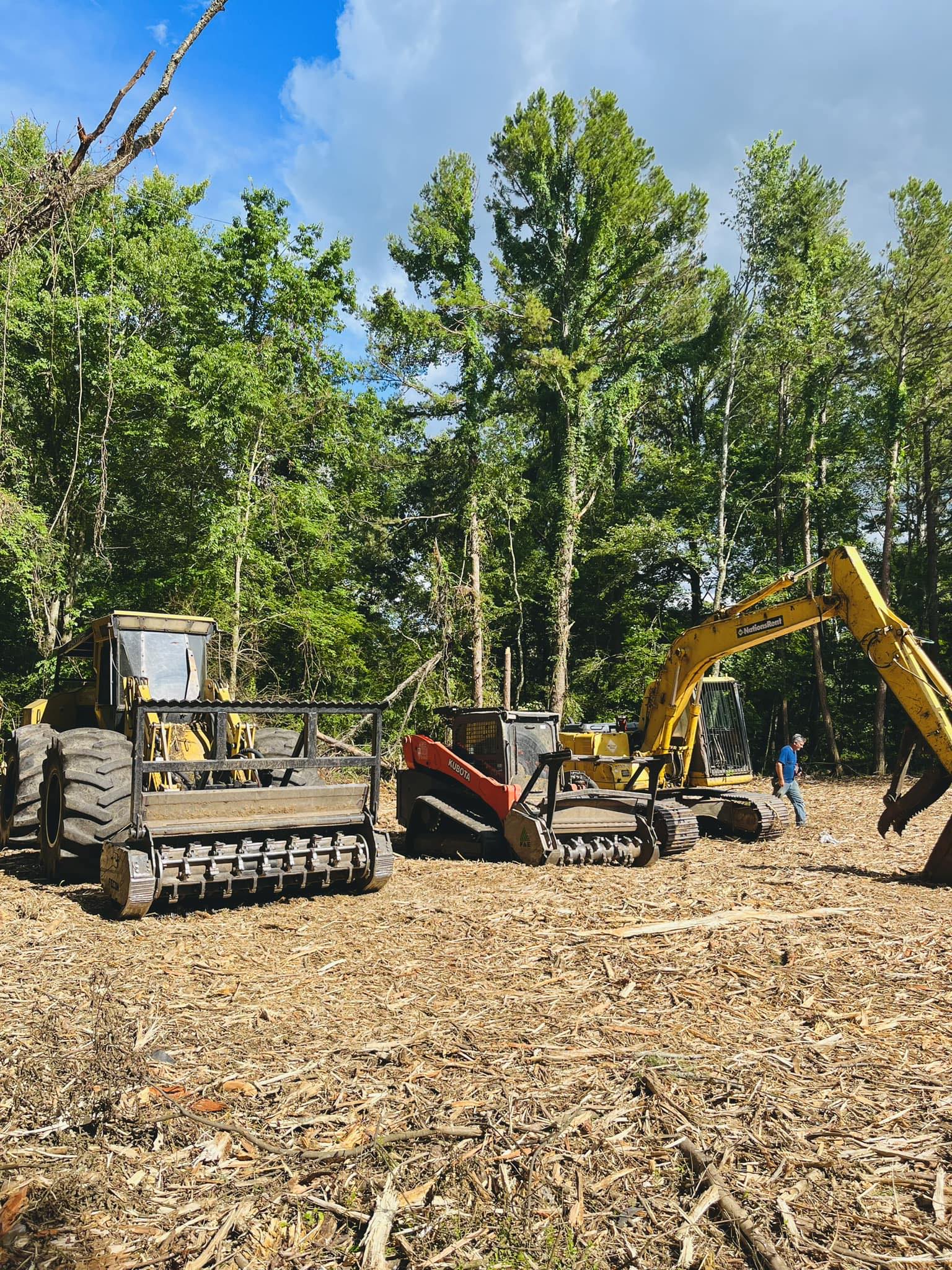
Sustainable excavation entails the meticulous planning and execution of earth-moving activities, using practices that minimize ecological disruption. For starters, it involves using advanced equipment designed to reduce emissions and energy consumption. With the integration of electric or hybrid machinery, companies like Green Land Management can significantly cut down on carbon emissions, contributing to cleaner air and a healthier planet. This not only supports urban sustainability goals but also meets increasingly stringent regulatory requirements aimed at reducing environmental impact.
Another critical aspect of sustainable excavation is effective soil management. By carefully analyzing soil composition and stability, excavation experts can devise strategies that preserve fertile topsoil and maintain soil health. This involves relocating or reusing excavated materials efficiently, which not only conserves resources but also reduces waste sent to landfills. Innovative soil recycling techniques allow the converted material to be reintegrated into construction sites or repurposed for landscaping, creating a closed-loop system that aligns perfectly with green construction practices.
Moreover, sustainable excavation practices involve water management strategies that prevent contamination and overuse. At Green Land Management, we implement systems for the construction site that capture and recycle water, reducing the demand on local water sources. Such systems are vital in urban areas where water conservation is of paramount importance. With the rising challenges of water scarcity, adopting practices that reduce unnecessary consumption marks a significant step towards a sustainable future.
By emphasizing sustainable excavation, urban developers also substantially reduce their projects' environmental footprint while enhancing economic viability. The initial investment in green technologies often yields long-term savings, as energy-efficient methods typically incur lower operational costs. Additionally, sustainability-focused projects attract investment and public interest, as consumers and communities increasingly demand environmentally responsible developments.
Education and training in sustainable excavation techniques are indispensable in this transformation. Green Land Management is committed to continuously educating its workforce on the latest ecological standards and technologies. Our team of professionals is trained to assess environmental impacts, ensuring that each project aligns with broader sustainability goals. This involves ongoing collaboration with environmental experts to evaluate the effects of each excavation project and adjust methods accordingly.
In conclusion, the transformation of urban development through sustainable excavation practices is not just a trend but a necessary evolution. As we advance toward a more environmentally conscious society, companies like Green Land Management are at the forefront, innovating and implementing practices that align with the future of urban living. By embracing sustainable methods, we ensure that urban growth is carried out responsibly, with minimal ecological disruption and maximum benefit to communities and the planet. The ongoing commitment to sustainable excavation is an investment in the future, paving the way for resilient, eco-friendly urban infrastructures.
