Pathways to Progress: Integrating Renewable Practices in Land Management Sep 09, 2026
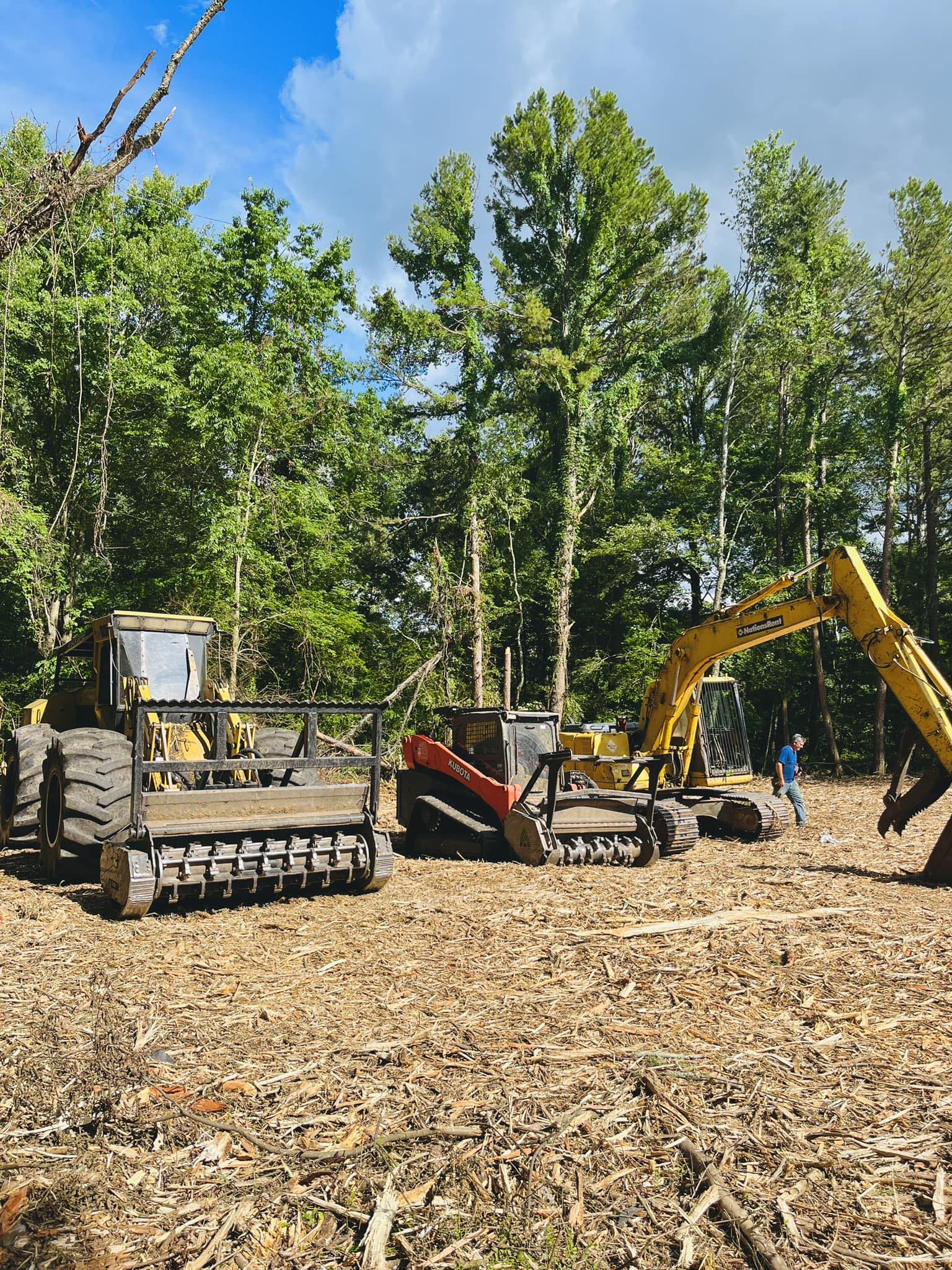
The concept of renewable practices in land management revolves around the idea of sustainability and reducing the carbon footprint associated with traditional land excavation techniques. The first step towards this goal is the incorporation of eco-friendly equipment. Modern excavation services now utilize machinery that is not only efficient but also designed to minimize damage to the environment. Whether through electric-powered machines or equipment that uses biofuels, these advancements represent significant progress in aligning with green practices.
Beyond equipment, adopting renewable energy sources in project sites can make a substantial impact. Solar panels, wind turbines, and other renewable technologies can be implemented to power site machinery and facilities. This not only reduces dependency on fossil fuels but also lowers operational costs over time. Green Land Management has been proactive in exploring these options, ensuring that every project undertaken leaves a minimal environmental impact.
Furthermore, soil conservation is a critical aspect of renewable land management practices. Properly managing topsoil, which is often disturbed during excavation, can prevent erosion, maintain fertility, and support local ecosystems. Techniques such as contour plowing, crop rotation, and the use of cover crops can all contribute to soil health. By preserving this vital resource, Green Land Management not only enhances project sustainability but also supports biodiversity and reduces environmental degradation.
Water management is another essential consideration. With the increasing frequency of extreme weather events, efficient water usage and management are crucial. Implementing rainwater harvesting systems and using water-efficient technologies can significantly reduce water wastage. By controlling runoff water and optimizing consumption, excavation service providers can ensure that water resources are utilized judiciously, protecting them for future use.
The integration of local vegetation into project sites can further augment these efforts. Planting native species around excavation areas can reduce the need for chemical fertilizers and pesticides, ultimately promoting a healthier environment. These plants often require less water and are more resilient to local climate conditions, minimizing maintenance costs and efforts while offering an aesthetically pleasing landscape.
The success of these renewable practices in land management depends heavily on collaboration. Engaging with local communities, stakeholders, and environmental experts allows companies like Green Land Management to tailor their strategies in line with regional ecological needs and expectations. Such collaborative efforts ensure that all parties benefit from sustainable development practices.
In conclusion, integrating renewable practices in land management is no longer just a trend but an imperative business strategy. By focusing on sustainable equipment, renewable energy sources, soil and water conservation, and local biodiversity, companies can achieve significant strides towards environmental responsibility. Green Land Management remains committed to leading the charge in sustainable excavation services, setting an example for others in the industry to follow.
The path to progress is clear. By choosing renewable paths and practices, businesses ensure not only their success but also the well-being of the planet for generations to come.
/filters:no_upscale()/filters:format(webp)/media/791aed4a-0c85-4a53-a6ca-a7ea1692e53f.jpeg)