Reimagining Earth Moving: How Innovation in Excavation can Lead to Sustainable Urban Growth Oct 19, 2026
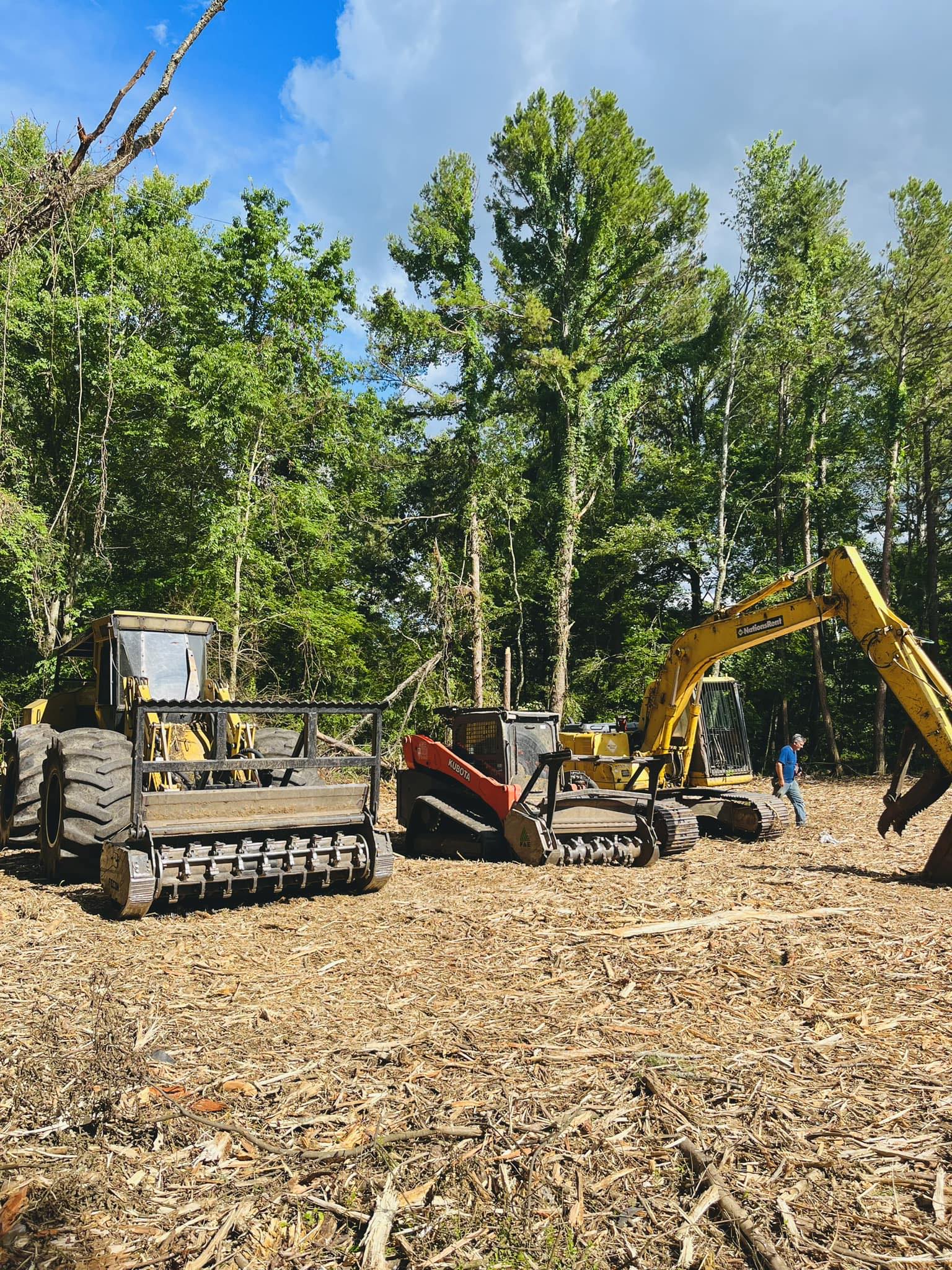
Urban areas face ever-growing demands for more space and better infrastructure. Traditional excavation methods, while effective, have often been resource-intensive and environmentally taxing. However, new advancements are redefining the process. Modern earth-moving technology integrates state-of-the-art machinery and techniques, allowing excavation services to be conducted with greater precision and less environmental impact.
One such innovation is the use of GPS technology in excavation. By equipping machinery with GPS systems, Green Land Management can ensure that excavation projects are executed with pinpoint accuracy. This not only minimizes waste but also reduces fuel consumption, as machines do not need to operate excessively or repeatedly over the same area. Furthermore, by minimizing the disturbance to the surrounding environment, the natural ecosystem is preserved, aligning with sustainable urban development goals.
The introduction of automated machinery is another significant stride forward. Automation in excavation allows for more consistent and faster operations, reducing both the time and labor needed on-site. With less human intervention required, there is a decrease in the potential for error, which translates into a more streamlined and efficient process. Not only does this benefit the project timetable and budget, but it also means that less energy is used—further promoting environmental sustainability.
Sustainability in excavation also extends to the recycling of materials. Where possible, Green Land Management repurposes materials unearthed during excavation processes. Concrete, asphalt, and other building materials can often be reused in new construction projects, reducing the need for new materials and minimizing landfill use. This practice not only lessens environmental strain but also contributes to more cost-effective project management.
Another exciting development in excavation services is the use of environmentally friendly fuels and energy sources. By employing hybrid and electric machinery, Green Land Management reduces greenhouse gas emissions and noise pollution. These efforts are particularly important in densely populated urban areas, where air and noise quality can have significant impacts on resident wellbeing.
As we look to the future, the role of excavation in sustainable urban growth is more critical than ever. Innovative practices in excavation services are essential for overcoming the challenges posed by urbanization while also respecting and preserving the environment. Through the implementation of cutting-edge technology and sustainable practices, companies like Green Land Management are transforming the way cities are built.
In conclusion, as we navigate the complexities of expanding urban landscapes, it is essential to rethink how essential services like excavation are carried out. By embracing innovation and sustainability, we can ensure that urban development not only meets the needs of today but also preserves the possibilities for future generations. With Green Land Management at the forefront, the vision of sustainable growth is not just conceivable; it is being actively constructed, one excavation project at a time.
