Sculpting Sustainable Success: How Eco-Friendly Excavation Practices Enhance Community Resilience Nov 12, 2026
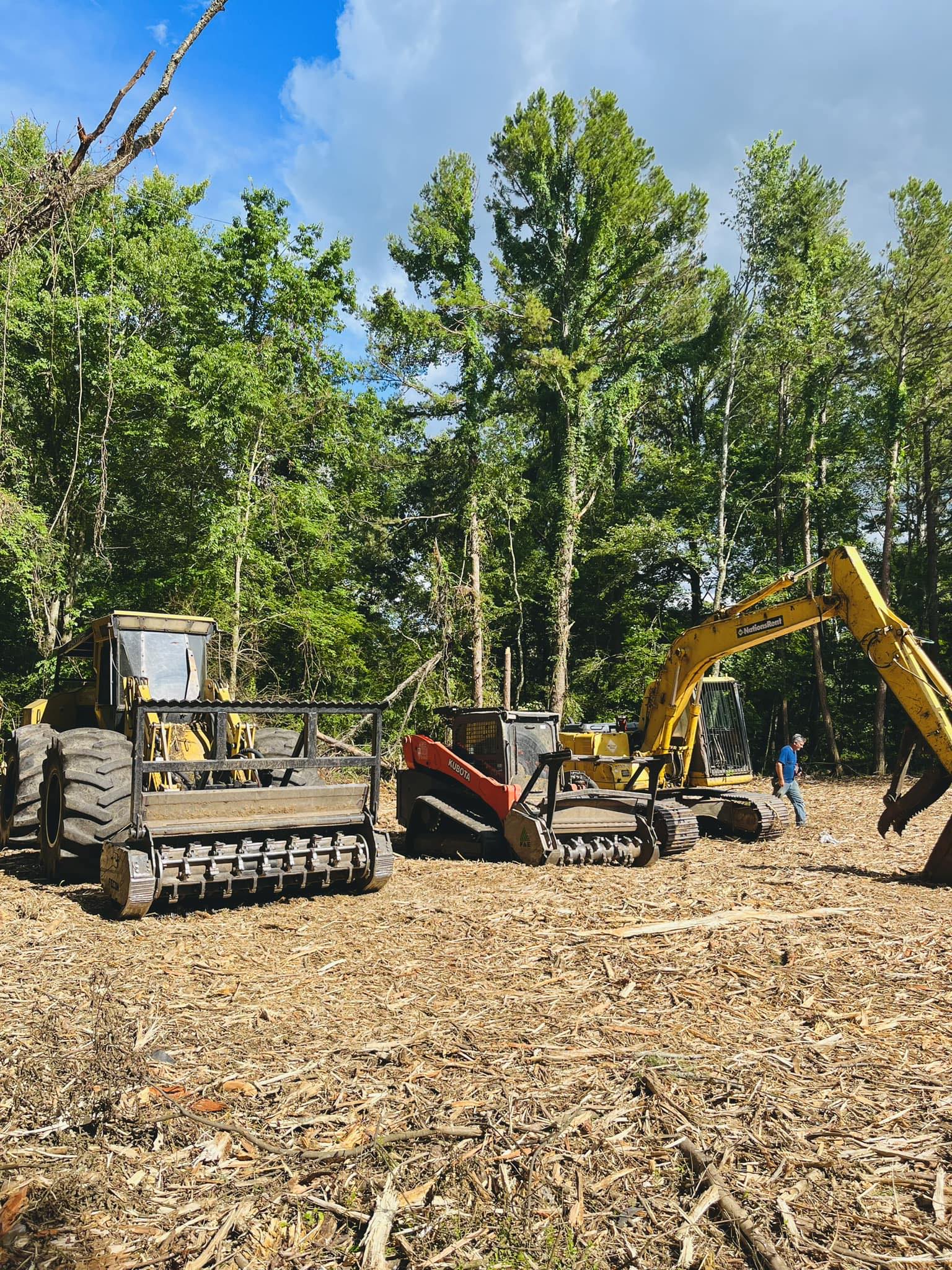
Understanding the concept of eco-friendly excavation practices is crucial for appreciating their value. Traditional excavation methods often involve heavy equipment and techniques that can cause significant disruption to the land, leading to erosion, soil degradation, and habitat destruction. However, by embracing sustainable techniques, we can minimize environmental harm and promote ecological balance.
One of the key benefits of eco-friendly excavation practices is their contribution to reducing carbon footprints. By utilizing energy-efficient machinery and alternative fuels, Green Land Management minimizes emissions during excavation projects. Implementing practices such as precision excavation further assists in limiting unnecessary land disturbance, preserving the natural landscape and reducing waste.
Water conservation is another critical aspect of sustainable excavation. By employing water management techniques, such as using recycled water for dust control and installing sediment barriers, we can significantly decrease the impact on local water resources and prevent contamination. This conservatory approach ensures water remains safe and available for community consumption and ecological needs.
Moreover, eco-friendly excavation methods prioritize the protection of biodiversity. Conducting thorough site assessments before beginning any project helps us identify and preserve vital ecosystems and wildlife habitats. By incorporating strategies that promote revegetation and stabilizing the land post-excavation, Green Land Management ensures that natural habitats are restored and flourish.
Another essential feature of sustainable excavation is waste reduction. Implementing recycling programs for materials like concrete, asphalt, and soil helps divert waste from landfills, reducing the overall environmental impact. Additionally, eco-friendly excavation practices often involve repurposing existing materials, which not only conserves resources but also reduces costs for projects.
These practices are not only beneficial from an environmental perspective but also enhance community resilience. Communities are better equipped to withstand and recover from environmental stresses and natural disasters when sustainable practices are at the forefront. By reducing soil erosion and promoting soil health and stability, communities face less risk during events like heavy rainfall or flooding. Stronger, healthier landscapes contribute to the safety and longevity of local infrastructure, ensuring minimal disruption to daily life.
Furthermore, eco-conscious excavation projects can contribute to significant economic benefits. They create new job opportunities while supporting local businesses that align with sustainable values. Engaging communities in sustainable practices fosters a sense of pride and responsibility, encouraging ongoing conservation efforts.
In conclusion, the shift towards eco-friendly excavation practices signifies a critical step in promoting sustainable development. At Green Land Management, our commitment to these principles underscores the importance of protecting our environment while enhancing the resilience and well-being of the communities we serve. As we continue to innovate and lead with eco-friendly practices, we invite you to join us on this journey toward sculpting a more sustainable and resilient future. By making thoughtful choices today, we can ensure a prosperous future for generations to come, underscoring the profound impact of sustainability on our world.
