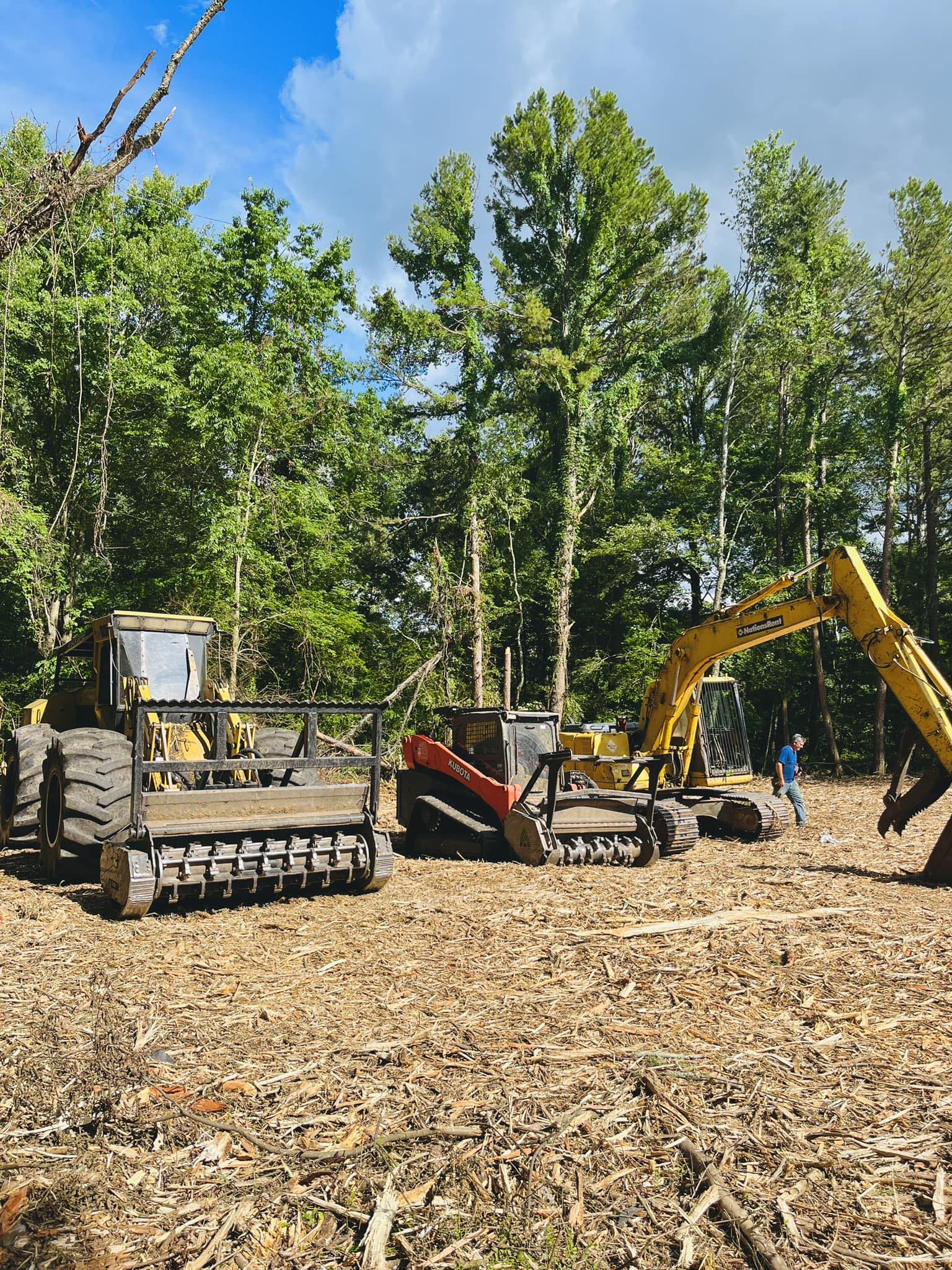
Unearthing Innovations: The Future of Sustainable Excavation Practices May 22, 2026
Excavation is an industry that can profoundly impact the environment. Traditional methods often involve considerable land disruption and consumption of natural resources, which have driven the need for more sustainable practices. Awareness and demand from environmentally conscious clients prompt industry leaders like Green Land Management to adopt new methods that balance economic viability with ecological responsibility.
One of the primary innovations is the employment of advanced machinery and technology. Equipment like GPS-controlled excavators contribute to reduced waste and increased precision, ensuring that movements are calculated and minimal material is displaced. This technology not only saves energy but also decreases the carbon footprint of projects. Green Land Management continuously invests in such technology, significantly enhancing the project efficiency while reducing environmental impact.
Another noteworthy advancement is the practice of soil stabilization. This involves the treatment of soil with elements such as lime or fly ash to enhance its strength and reduce the need for importing additional fill materials. Such techniques minimize the transport of materials, thus lowering emissions and costs. It also ensures that the soil on-site can be reused, promoting a more sustainable cycle and reducing landfill waste.
Furthermore, the integration of digital technologies like Building Information Modeling (BIM) allows for meticulously planned excavation phases. By simulating every stage of the project, potential issues can be identified and addressed in advance, eliminating unnecessary digging and material use. Green Land Management has embraced this technology not only to improve project timelines but to significantly cut down environmental impacts.
Water conservation is another crucial area where sustainable excavation practices are making strides. Traditional excavation can lead to excessive water usage and contamination. Innovative techniques such as dewatering systems and the recycling of water used in excavation ensure that water conservation is a priority. It allows companies like Green Land Management to safeguard local water resources effectively while maintaining efficient operations.
Public awareness and regulatory pressures further drive the movement towards greener excavation. Companies committed to environmental compliance naturally adopt such innovations, often leading to enhanced reputations and more opportunities. Green Land Management exemplifies this commitment by proactively adapting to new regulations and striving beyond, aiming for sustainability that exceeds current norms.
In conclusion, the excavation industry stands as a pivotal point for sustainable practices, showing that ecological benefits and economic gains are not mutually exclusive. Green Land Management is exemplary in its approach, illustrating how innovation in excavation does not sacrifice the environment for the sake of progress. As the industry continues to advance, those who embrace sustainable methods will lead the charge towards a greener future in construction. Sustainable excavation isn't merely a trend, but a fundamental way forward for transformation. By keeping sustainability at the forefront, the construction industry can significantly contribute to a healthier planet while still achieving its goals.
For clients of Green Land Management and the industry at large, these innovations highlight the potential for environmentally friendly excavation practices that align with broader environmental objectives and responsible management of resources.
/filters:no_upscale()/filters:format(webp)/media/791aed4a-0c85-4a53-a6ca-a7ea1692e53f.jpeg)